The Delegation Trap

Person watching AI machine work while their hands show subtle atrophy, illustrating loss of human capability through AI delegation

Every capability you delegate to AI is a capability you lose the ability to regain. There is a form of loss that does not feel like loss. It feels like progress. It feels like efficiency. It feels like the natural consequence of using powerful tools well — the rational choice to allocate cognitive effort where The Delegation Trap

Who Decides What You Think About?

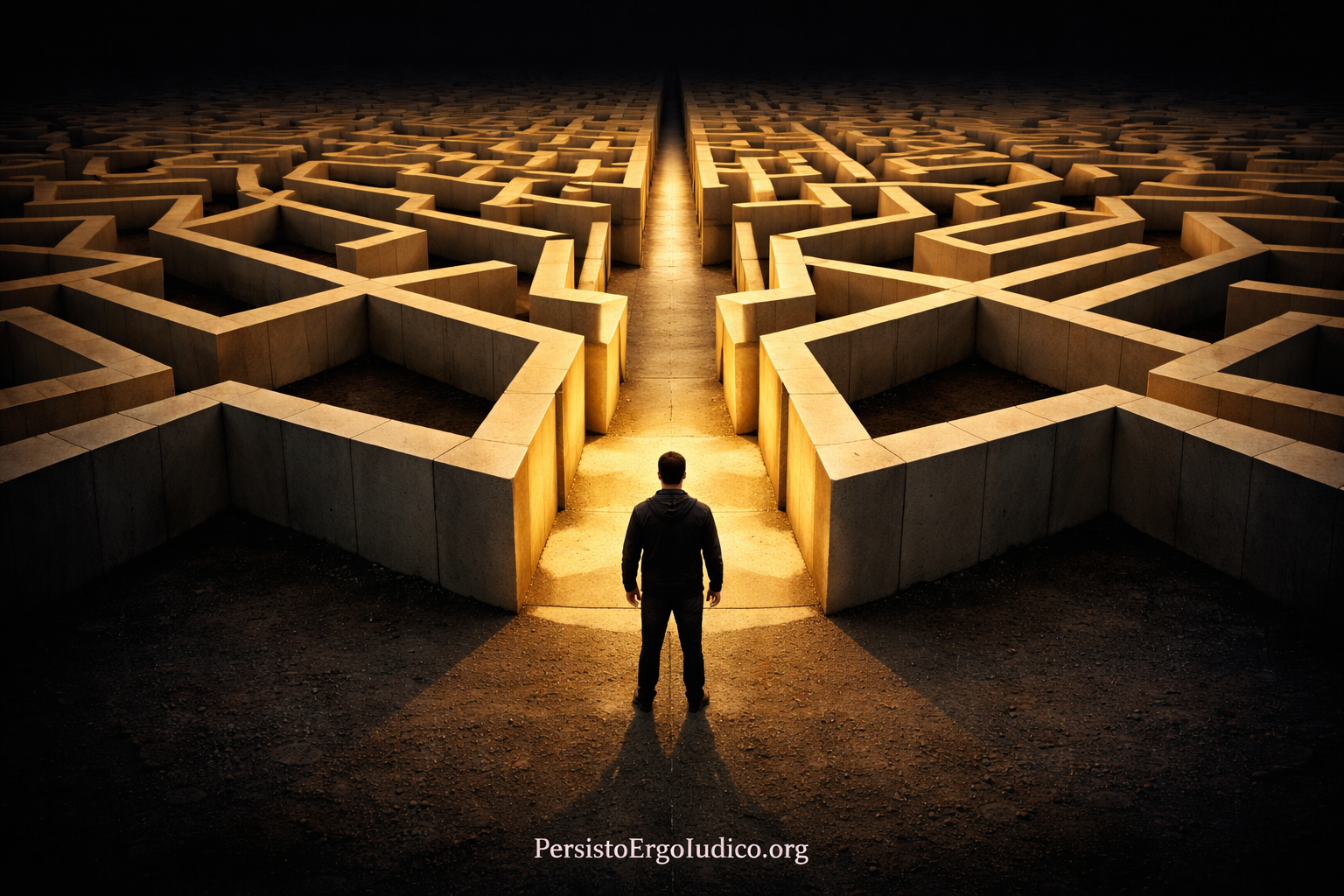
Person standing at entrance of a maze where all paths lead to one route, illustrating AI control over cognitive starting points

The most powerful system is not the one you use. It is the one you stop noticing you are using. For most of human history, power meant controlling what people knew. Empires built it through information monopolies — controlling which texts were copied, which histories were recorded, which ideas were permitted to circulate. Institutions built Who Decides What You Think About?

The Collapse of Self-Verification

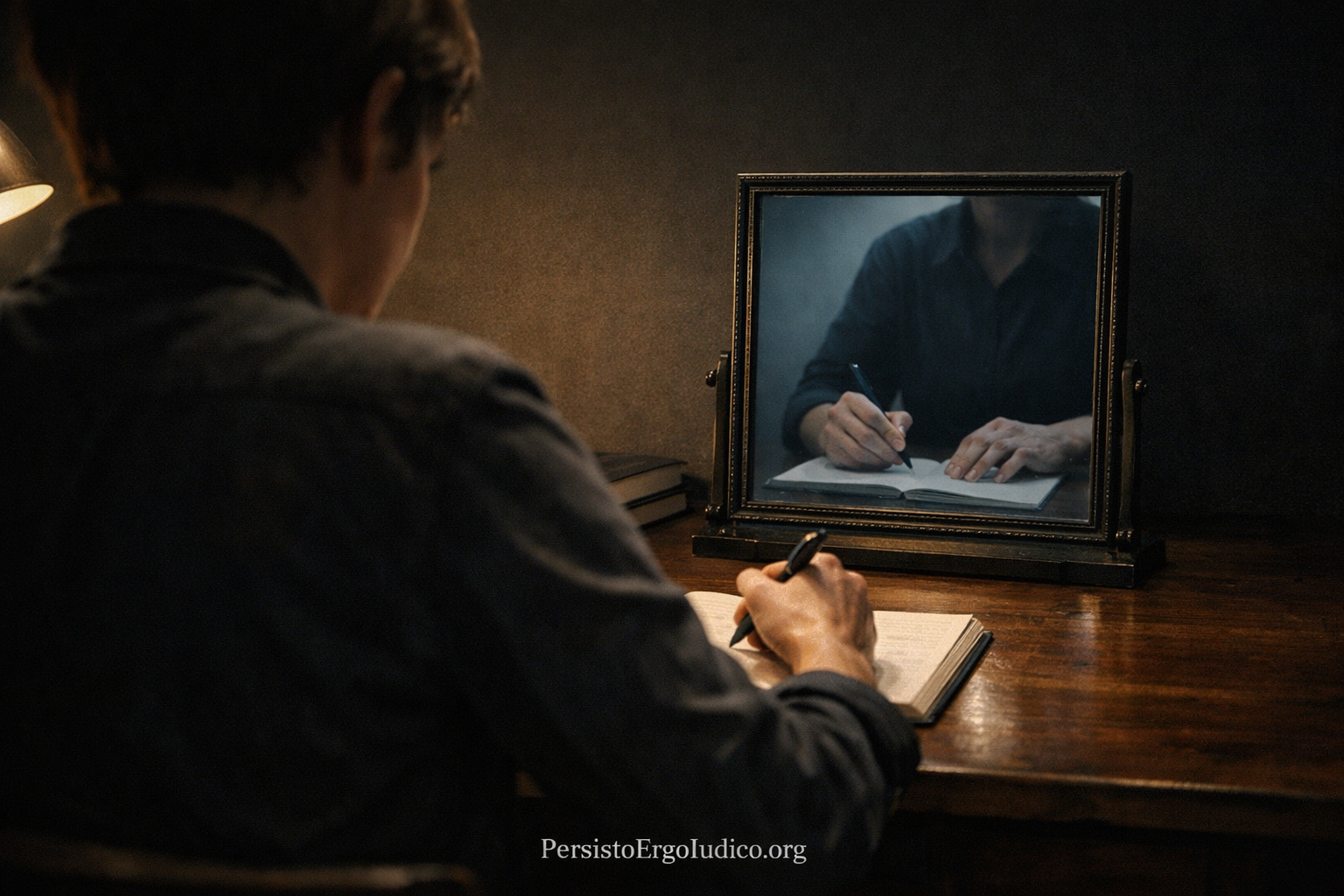
A person writing in a notebook while a mirror reflects a different figure writing without a pen, symbolizing the collapse of self-verification

The first casualty of AI is not knowledge. It is the ability to know whether your own knowledge is real. For most of human history, you could trust your own sense of understanding. Not perfectly. Not always. Human cognition has always been subject to overconfidence, to the illusion of knowing, to the comfortable feeling of The Collapse of Self-Verification

The End of Trust-by-Proxy

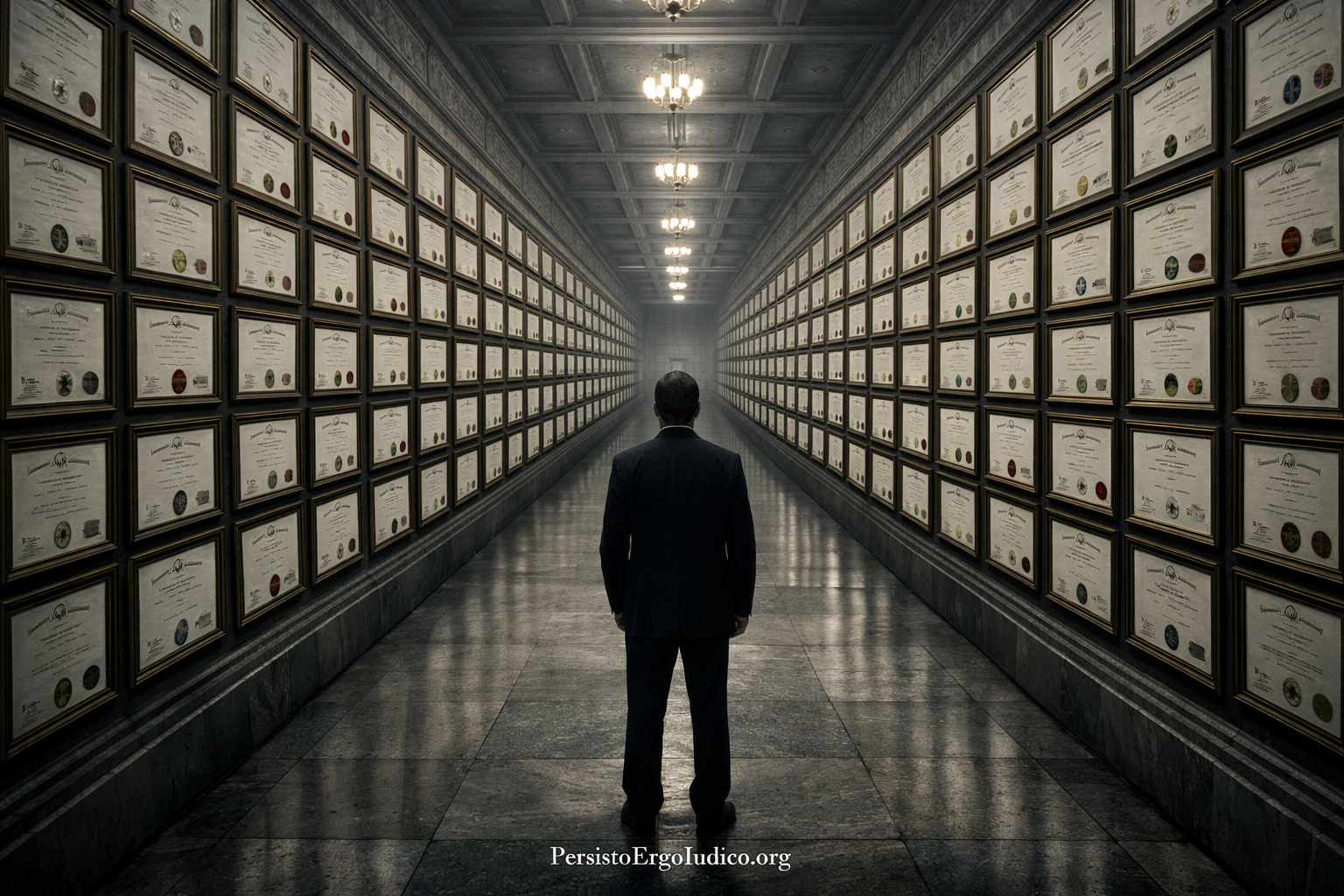
A figure standing at the entrance of an infinite corridor of identical certificates — the end of trust-by-proxy, when signals lose their cost and trust loses its meaning

When signals lose their cost, trust loses its meaning. Civilization has never trusted people directly. This is not cynicism. It is a structural observation about how trust actually operates at scale — and why it has worked for as long as it has. Direct trust — the kind built through sustained personal encounter, through observing The End of Trust-by-Proxy

How Institutions Will Certify Their Own Collapse

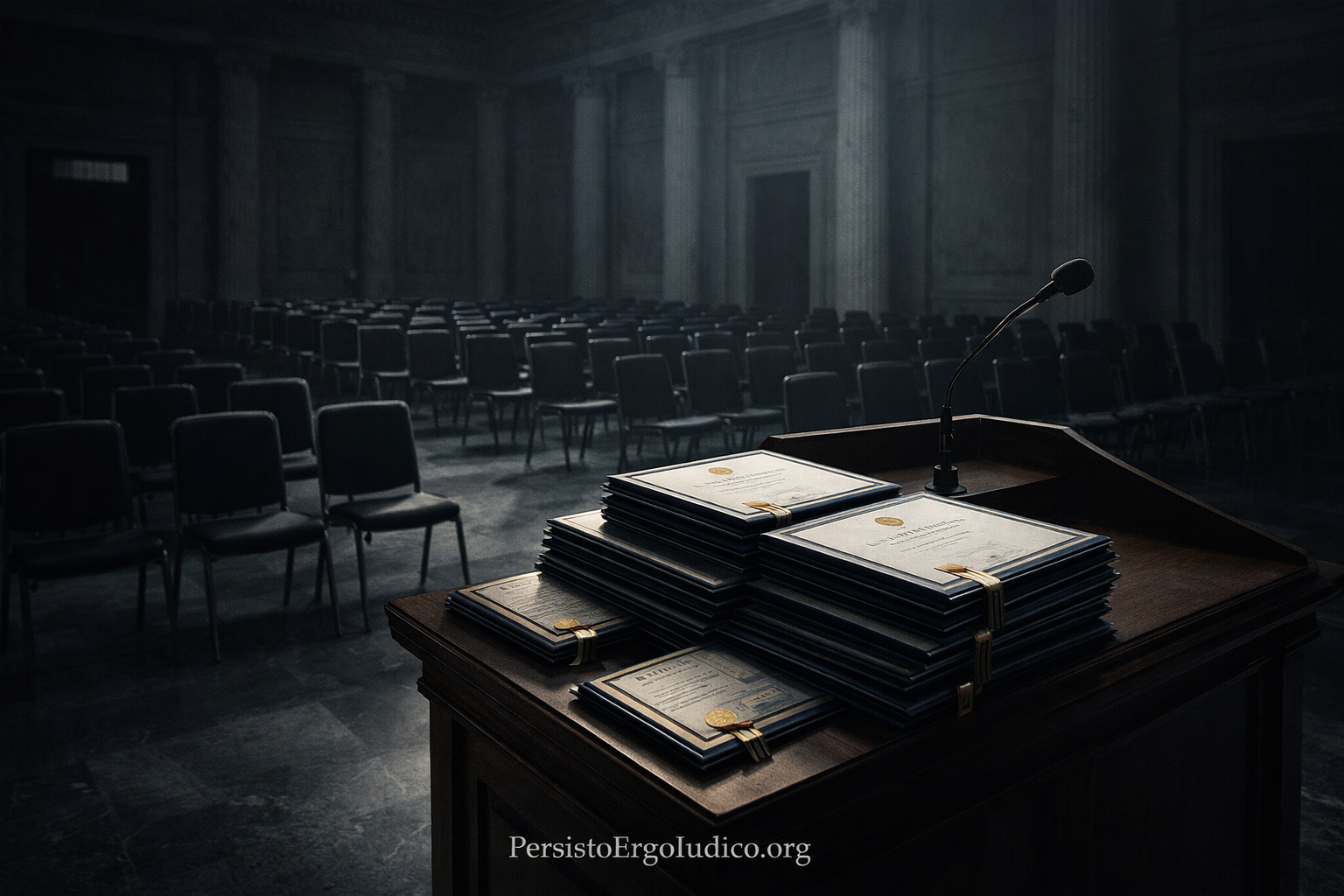
Empty institutional ceremony hall with official diplomas on a podium, symbolizing certification without competence

The collapse will not announce itself. It will be certified. Every institution that certifies expertise is built on a single assumption: that correct professional performance proves genuine competence. That assumption is now false. Not partially false. Not false in edge cases. Structurally, permanently, and at every level simultaneously false — for the specific reason that How Institutions Will Certify Their Own Collapse

Do You Actually Know What You Know?

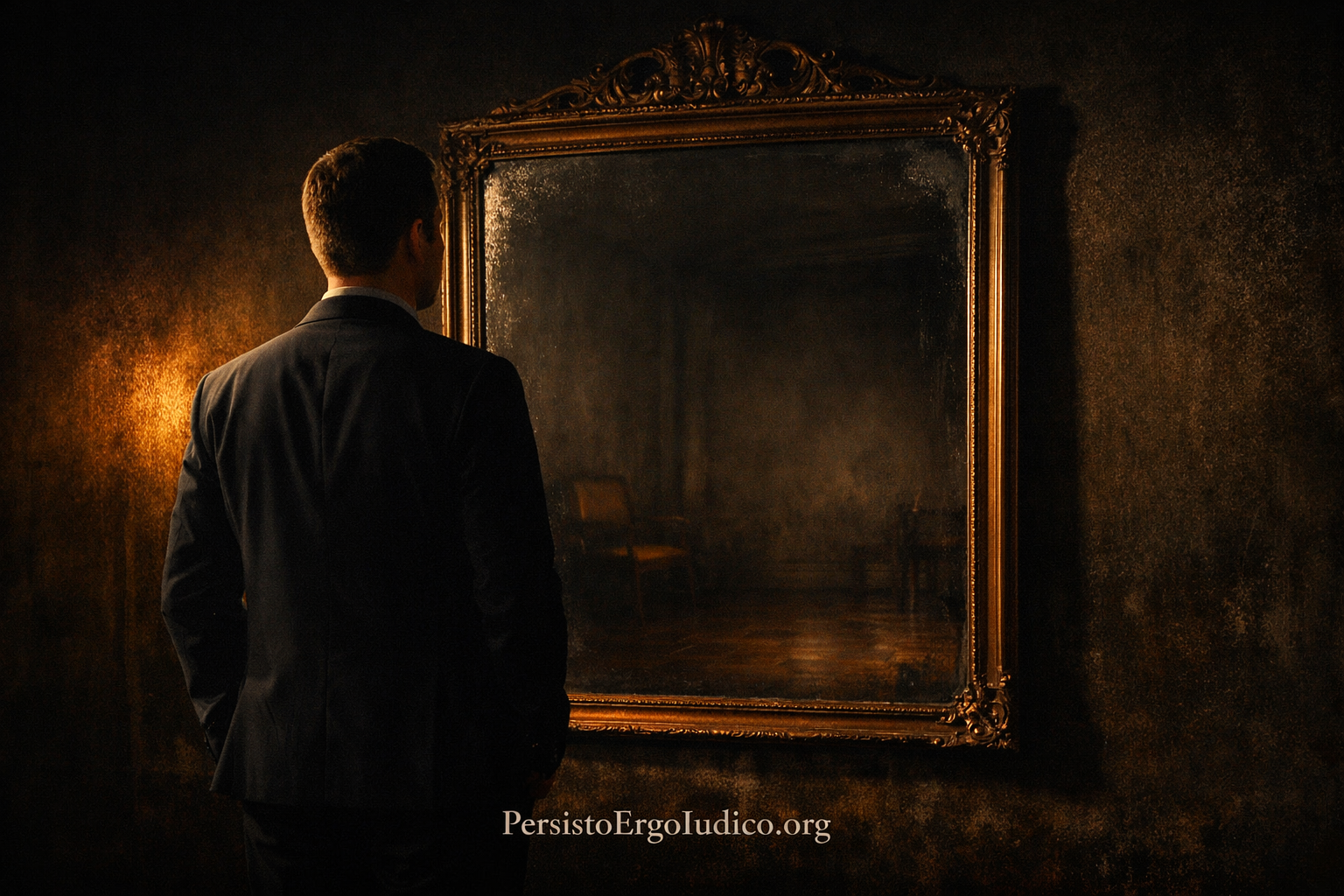
A person stands confidently before a mirror that reflects an empty room, symbolizing the illusion of knowledge without structure

You don’t lose knowledge. You discover it was never yours. When was the last time you checked whether your knowledge still exists — without assistance? Not whether you can access it. Not whether you can find it, retrieve it, or generate it with the right tools available. Whether it exists inside you — as a Do You Actually Know What You Know?

The Novelty Famine

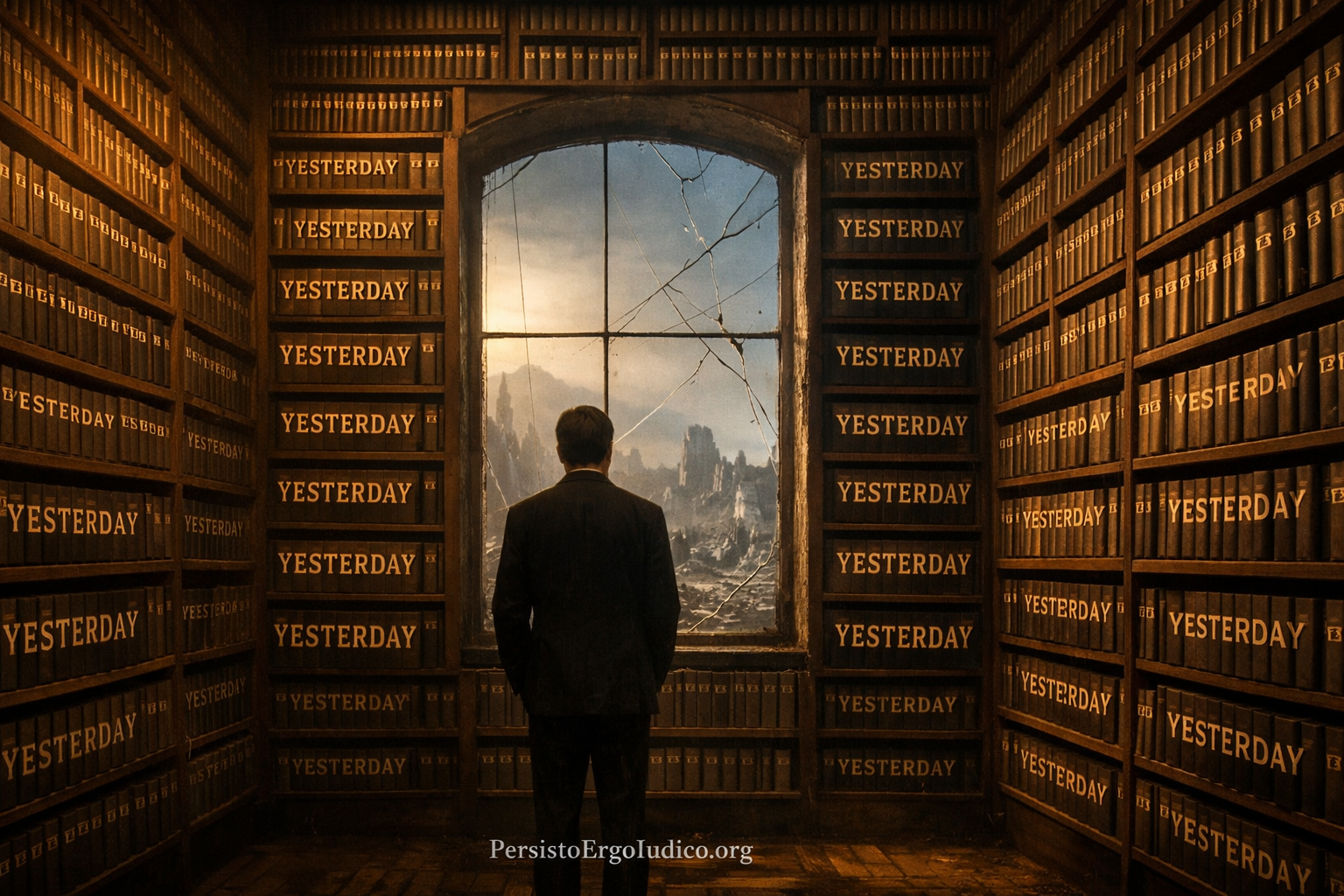
A vast library filled with books labeled “Yesterday” while a lone figure looks through a cracked window at a changed world outside, symbolizing the Novelty Famine.

AI makes normality abundant. When normality becomes abundant, novelty recognition becomes extinct. There is a form of civilizational collapse that does not look like collapse until it is complete. It does not announce itself through visible failure. It does not produce declining outputs, deteriorating performance, or measurable reduction in the quality of professional assessment. It The Novelty Famine

The End of Apprenticeship

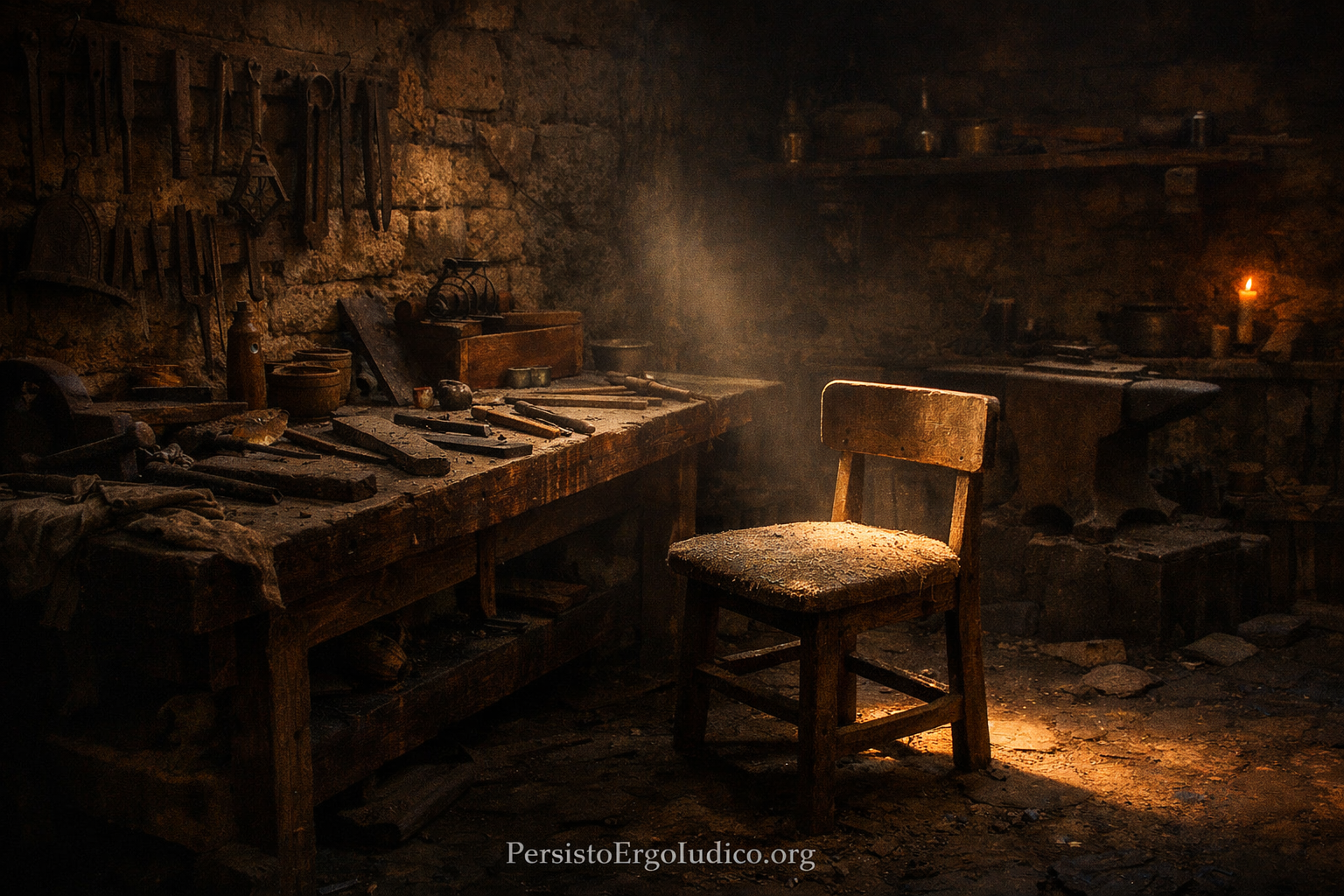
An empty craftsman’s workshop with tools and a dusty apprentice chair under a beam of light, symbolizing the end of apprenticeship and the loss of expert formation.

AI did not automate expertise. It automated the struggle that created it. For two thousand years, civilization had one mechanism for producing experts. Not universities. Not examinations. Not textbooks, credentials, licensing requirements, or professional certification systems. These were infrastructure built around the mechanism — administrative structures that organized, validated, and distributed what the mechanism produced. The End of Apprenticeship